
If you’ve ever had a canker sore, you know they can be annoying at best and pretty painful at worst. Because they form on the inside of the mouth, tongue, or gums, your teeth can often rub on them, causing irritation and tenderness. Though they are usually not a cause for panic, you should check with your doctor or dentist if they become unusually large, swollen, or take more than a week to resolve.
Cold sores, also called fever blisters or herpes simplex type 1, are not the same as canker sores but are often confused with them. Cold sores are groups of fluid-filled blisters on the outside of the mouth, on a person’s lips. Cold sores are caused by a virus and are extremely contagious, varying greatly from canker sores.

What are canker sores?
According to the Mayo Clinic, canker sores, also called aphthous ulcers, are “small, shallow lesions that develop on the soft tissues in your mouth or at the base of your gums.” They are not contagious like cold sores, which often appear on the surface of the lips. Most canker sores are round or oval in shape with a white or yellow center. They can form inside your mouth “on or under your tongue, inside your cheeks or lips, at the base of your gums, or on your soft palate.”
Some canker sores appear out of nowhere, while other people have said they feel a tingling or burning sensation before the sore actually appears. Though small in size, canker sores can be extremely painful, especially when you’re eating, drinking, or talking, depending on where the sore is located.

What causes canker sores?
The cause of canker sores is unknown, but medical experts have listed possible triggers for the sores, including:
- Vigorous teeth brushing or an injury to the inside of the mouth from an accidental cheek bite, dental work, or jagged tooth.
- Toothpaste and mouth rinse containing sodium lauryl sulfate.
- Food sensitivities including acidic, hot, or spicy foods.
- Diets low in B-12, zinc, folic acid, or iron.
- An allergic response to certain bacteria.
- Hormonal shifts during menstruation.
- Emotional stress or anxiety.
- Diseases such as lupus, Behcet’s disease, inflammatory bowel diseases (IBS), celiac disease, ulcerative colitis, Crohn’s disease, or AIDS.
Because there is no one cause, there is not much preventative care you can take other than to avoid vigorous brushing, foods that may cause inflammation, and making sure you brush and floss regularly to prevent unwanted bacteria from forming in your mouth and on your gums. If you get canker sores often, your physician may recommend nutritional supplements to alleviate any potential deficiencies that might impede your body’s ability to heal.
How to treat canker sores
Experts at the Mayo Clinic agree that the treatment of canker sores usually isn’t necessary. Typically, they tend to take a week or so to heal if left untreated.
Over-the-counter and prescription products may help relieve pain and speed healing when applied directly to the site. Medications like Kank-A®, Zilactin®, or Orajel® can numb the area and also provide a protective layer between the sore and anything that comes in contact with it. Advil or Tylenol can help manage pain
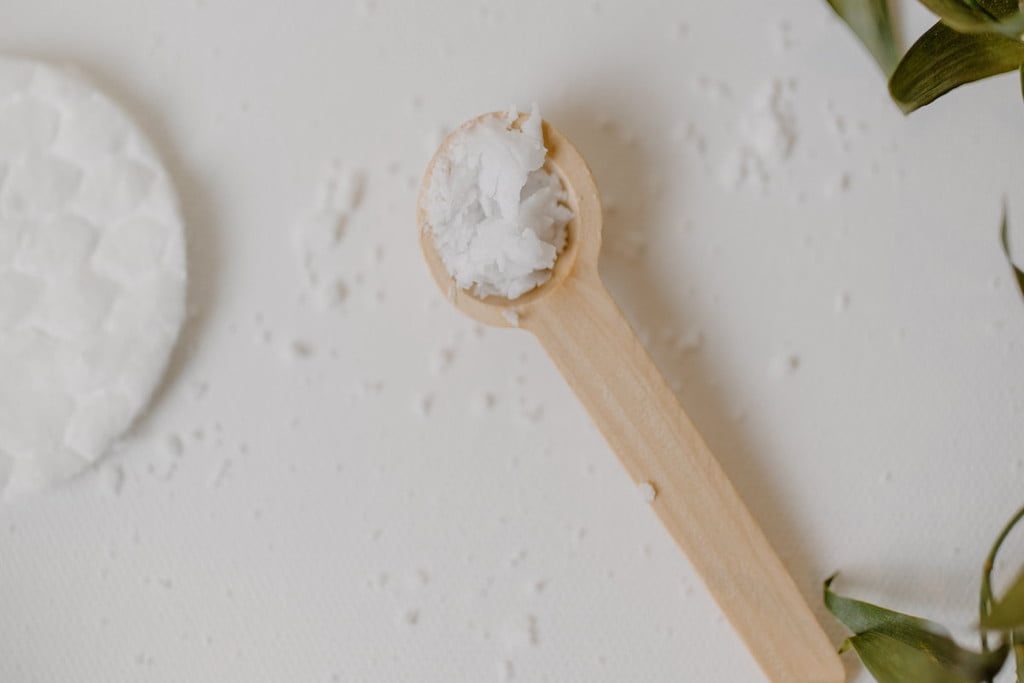
If you are more inclined to try at-home remedies, try gargling with warm salt water, which can help neutralize the pain. Foods that have anti-inflammatory properties like honey, baking soda, coconut oil, and yogurt that you can eat or apply to the canker sore itself can offer short-term relief. A chamomile tea bag can also be used as a compress to soothe canker sores, as chamomile is a natural pain healer.
Sores that are large, painful, or don’t heal before new ones resurface may need to be treated with a stronger option like a prescription for an antibacterial mouth rinse, a corticosteroid ointment, or stronger pain medication. If you have an unusually large canker sore, frequent outbreaks, sores that won’t heal, or major difficulty eating or drinking, you’ll want to consult your doctor right away.
While it’s no fun having a canker sore, the good news is they are relatively easy to treat and will go away within a week or so. It’s not always easy, but try avoiding touching the area with your finger or tongue because that may irritate it more and cause the canker sore to get bigger or become more painful. You know your own body, so if something doesn’t seem right, the best answer is to call your doctor.
BlissMark provides information regarding health, wellness, and beauty. The information within this article is not intended to be medical advice. Before starting any diet or exercise routine, consult your physician. If you don’t have a primary care physician, the United States Health & Human Services department has a free online tool that can help you locate a clinic in your area. We are not medical professionals, have not verified or vetted any programs, and in no way intend our content to be anything more than informative and inspiring.


