
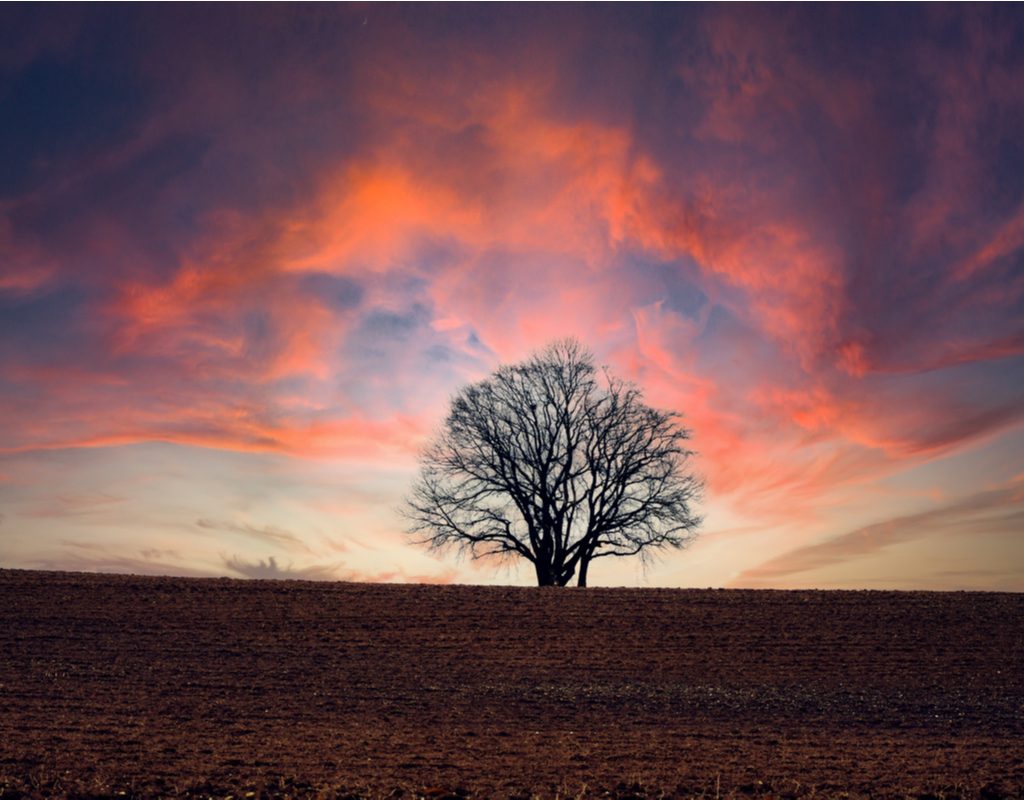
The science is in: The planet is warming, and the main cause of that warming is us.
That topic continues to be debated despite overwhelming scientific consensus on the issue — not to mention our own eyes witnessing the havoc already being wreaked by climate change, from droughts to water shortages to wildfires. But it can still be hard to see the full scope of the problem, especially over the longer term.
Part of the issue may be that the actual amount of warming is hard to square with the damage it creates. Many scientists are hoping to limit the increase to 1.5 degrees Celsius, though it looks increasingly like the world will blow past that grim milestone without much of a second thought. The major actions needed to avoid this increase, such as a major shift to renewable energy, haven’t yet materialized on a large enough scale.
But that begs the question: why is such a seemingly small increase in temperature so dangerous for the planet? After all, it’s just a few degrees. In reality, though, this seemingly small increase can make (and is making) a huge impact. Here’s what you need to know about what it really means.
How much is Earth’s temperature rising?
When climate scientists and pundits talk about temperature increases, they’re usually doing so in degrees Celsius, not Fahrenheit. The latter is used in the United States, while Celsius is preferred in much of the rest of the world and in the scientific community.
Part of the potential reason why Americans might underrate the warming temperatures is because they may be mistaking Celsius for Fahrenheit. While one degree Fahrenheit is not very much in the grand scheme of things, one degree Celsius is 1.8 degrees Fahrenheit, making it nearly double that of Fahrenheit.
With that said, the planet has now warmed by 1.1 degrees Celsius. That’s according to a report released this summer by the influential International Panel on Climate Change (IPCC).

It’s only 1.1 degrees. Seriously, why is this a problem?
Because this temperature rise doesn’t just mean slightly warmer weather (which might actually be a welcome change in some places). Remember that weather and climate are different things. The first is short-term while the second unfolds over the long haul.
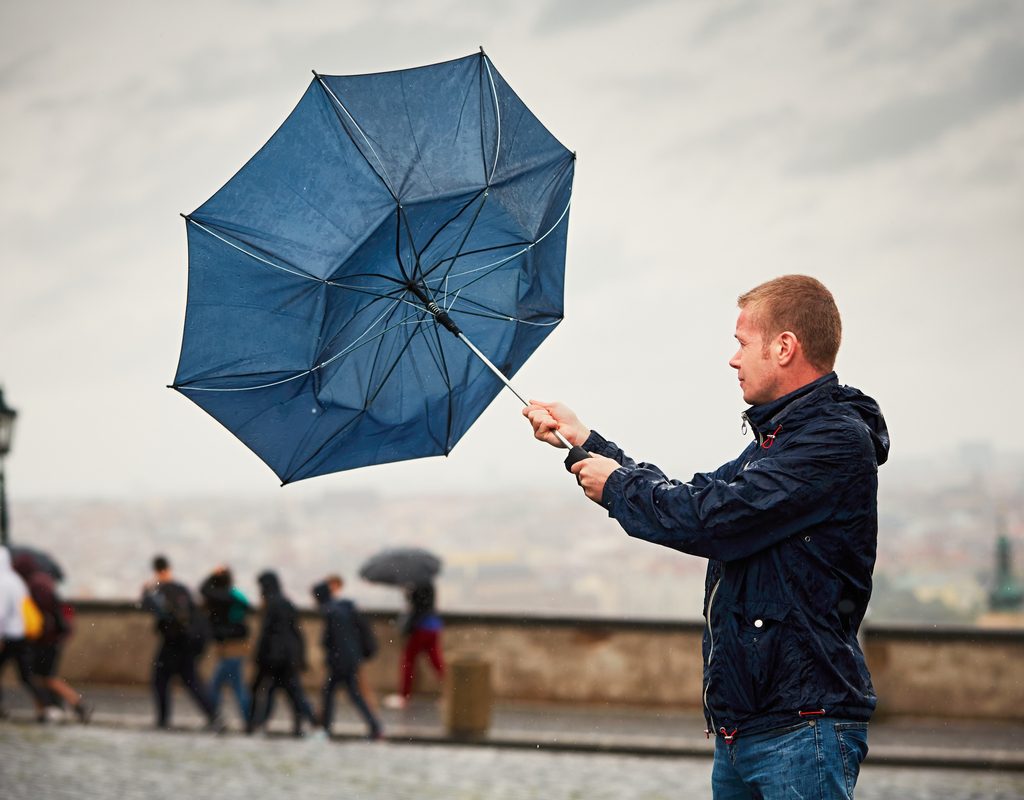
It also means that ocean temperatures, as well as air temperatures, are rising, which means more water evaporating into the atmosphere, which explains the larger and more powerful storms we’ve seen in recent years.
Ocean wildlife also can feel the effects of seemingly small temperature changes. For example, green sea turtles are going extinct because of a shortage of males, which only hatch at temperatures of 27.8 degrees Celsius (82 degrees Fahrenheit) or below.
But this doesn’t tell the half of it. The Earth’s climate is regulated by patterns of air and water flow that can be seriously disrupted by climate change — including melting sea ice in the arctic and elsewhere — over a period of years. For example, the Gulf Stream, an ocean current that extends along the east coast of the United States and branches off across the Atlantic Ocean to Europe, helps keep large population centers temperate. The United Kingdom, for example, could become a frozen tundra without warm ocean currents to keep it comfortable.
What other changes can global warming cause?
According to the IPCC report, an increase of 1.5 degrees Celsius will mean serious changes to the world we live in. Some of those changes are already underway and will intensify as temperatures warm. They include:
- More intense heatwaves
- Extreme rainstorms
- Drought
- Water shortages
- Lower crop yields
- Higher sea levels
- Destruction of coral reefs
Changes of 2.0 degrees Celsius or higher can lead to even larger problems.
What can we do about it?
It’s a daunting prospect, and let’s face it, there’s only so much one person can do. With that said, there are still actions you can take to do your part to stem the tide of global warming. Here are several tips, provided by the Natural Resources Defense Council:
- Power your home or business with renewable energy sources like wind and solar
- Weatherize your home to make it more energy-efficient
- Eat more plant-based foods
- Reduce excess water use
- Become active both in your community and at the national level. Join groups that help advocate for solutions to climate change
This list is by no means exhaustive, and not every tip will work for every situation. Give it some thought and decide what’s right for you. Every kilowatt of energy or gallon of water saved makes a difference, especially when everyone does it. In the meantime, even though rising temperatures may not seem like much at a glance, they are indeed a big deal — and are something we should all take seriously for the sake of the planet we all live on.
BlissMark provides information regarding health, wellness, and beauty. The information within this article is not intended to be medical advice. Before starting any diet or exercise routine, consult your physician. If you don’t have a primary care physician, the United States Health & Human Services department has a free online tool that can help you locate a clinic in your area. We are not medical professionals, have not verified or vetted any programs, and in no way intend our content to be anything more than informative and inspiring.