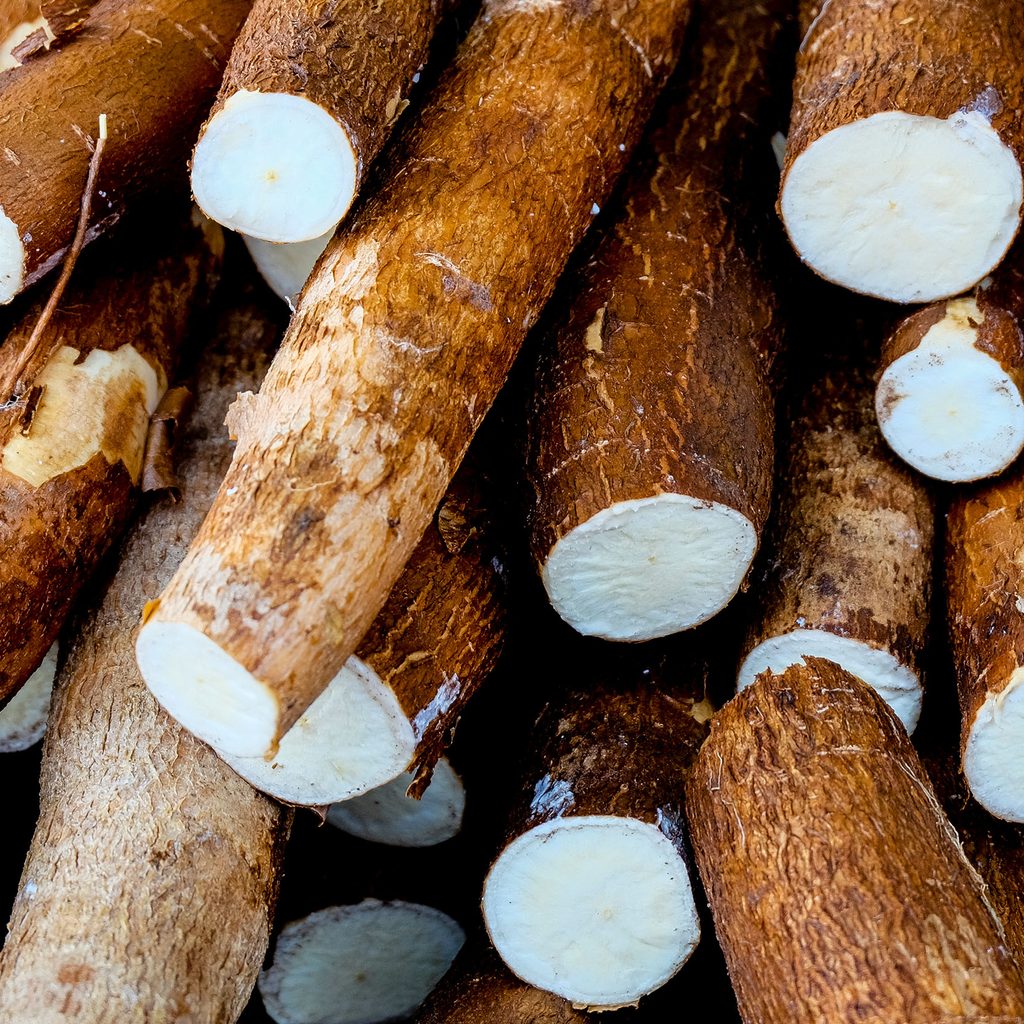
Cassava and yucca look alike and have similar uses, so it makes sense that many refer to them interchangeably. Both of these roots have also risen in popularity as gluten-free, healthier alternatives to flour. Part of the mix-up also comes from the fact that the root of cassava is also called yuca (spelled with only one c), so many mistakenly refer to cassava root as yucca.
Both are edible, flowering plants and are part of the same subkingdom, but they belong to different families and have distinct health benefits.
Taxonomy
Cassava plants are members of the Euphorbiaceae family, one of the largest plant families within the genus Manihot. Other plants that fall into this category include trees, shrubs, and herbs grown for their edible roots and beautiful foliage.
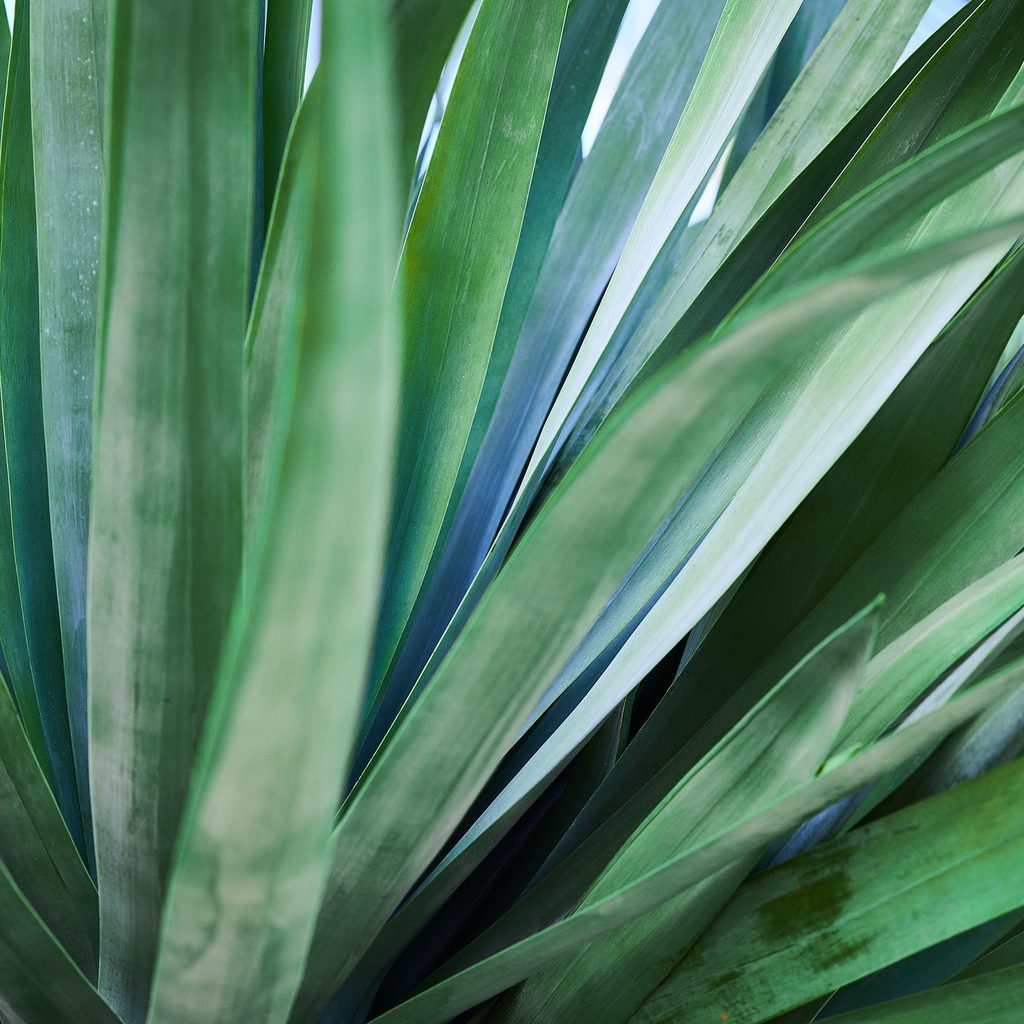
Yucca plants, on the other hand, are members of the Agavaceae family, which is made up of all plants that produce rhizomes, or roots that grow horizontally. Yuccas are also part of the yucca genus, and other plants in this genus share similar properties like green or blue leaves and decorative, sharp leaves.
Physical appearance
Cassava and yucca look quite different, too, as cassava is a perennial plant that grows to be an average of 10 feet tall. In some regions, it can even reach up to 20 feet tall. The leaves are dark green with reddish veins and yellow markings. Cassava’s stems grow erect, and the edible roots measure between eight and 30 inches long.
Yucca plants are also tall, tree-like perennials that can grow anywhere from four to 40 feet tall. The leaves are large like cassava but are blue-green in color with yellow margins and a sharp, dagger-like shape. Its flowers are whitish and bell-shaped.
Health benefits
Cassava is a staple in many South American, Asian, and African diets. It is a nutty, starchy root veggie that can be eaten whole, grated, ground into flour, or used to make tapioca. Cassava root is a great option for people with food allergies or restrictive diets as it is gluten-free. It’s an excellent source of complex carbohydrates and contains fiber, thiamine, phosphorus, and calcium. Cassava is also high in resistant starch, which works to maintain healthy gut bacteria, improve digestive health, and boost blood sugar control.
These days, yucca is mainly used as a decorative plant, and its leaves are often used for weaving. It is also available as a supplement because the plant contains high levels of antioxidants and vitamin C, which help to boost your overall immunity. Anti-inflammatory properties make it popular in easing arthritis pain or treating certain skin conditions and injuries. Early research suggests that the plant may also have properties that guard our bodies against oxidative stress, a cellular imbalance that can cause inflammation, Parkinson’s, and Alzheimer’s.
Toxicity
Though parts of these plants are edible and provide many health benefits, they can both be toxic if not prepared properly. Cassava contains cyanogenic glucosides, which can release cyanide in the body after consumption. The root also has linamarin and lotaustralin, which are toxic compounds, too. In order to be edible, the cassava root must be processed properly by soaking and cooking it first. The leaves, on the other hand, have the highest concentration of cyanogenic glucosides, making them toxic to humans and animals.
Yucca plants are not as toxic as cassava is, but the roots of Yucca constricta, also known as Buckley’s yucca, contain saponins. These can be mildly toxic for humans, but they usually only cause irritation if a person is allergic to them.
While people often confuse yucca and cassava, the two have more differences than similarities. They belong to different biological families, look different, and are used for different purposes. Both can have great nutritional value, so experiment and see if there’s a place for cassava or yucca in your lifestyle.
BlissMark provides information regarding health, wellness, and beauty. The information within this article is not intended to be medical advice. Before starting any diet or exercise routine, consult your physician. If you don’t have a primary care physician, the United States Health & Human Services department has a free online tool that can help you locate a clinic in your area. We are not medical professionals, have not verified or vetted any programs, and in no way intend our content to be anything more than informative and inspiring.