
Sleep. It’s so easy that a baby can do it. Yet, not sleeping has become an unfortunate hallmark of adulthood.
Thirty to 35 percent of adults have brief insomnia symptoms, and 10 percent suffer from chronic insomnia (defined as symptoms that occur at least three times per week for at least three months).
If you’re struggling to sleep and constantly battle racing thoughts all night, you may need to practice mindfulness. By relaxing at home well before bedtime, you can clear your head, signal your body to wind down, and catch some Zzzs. This is easier said than done, particularly if you have a ton on your plate during the day. Luckily, there are a few tried and true tricks to try, so consider this your guide to getting some much-needed sleep.
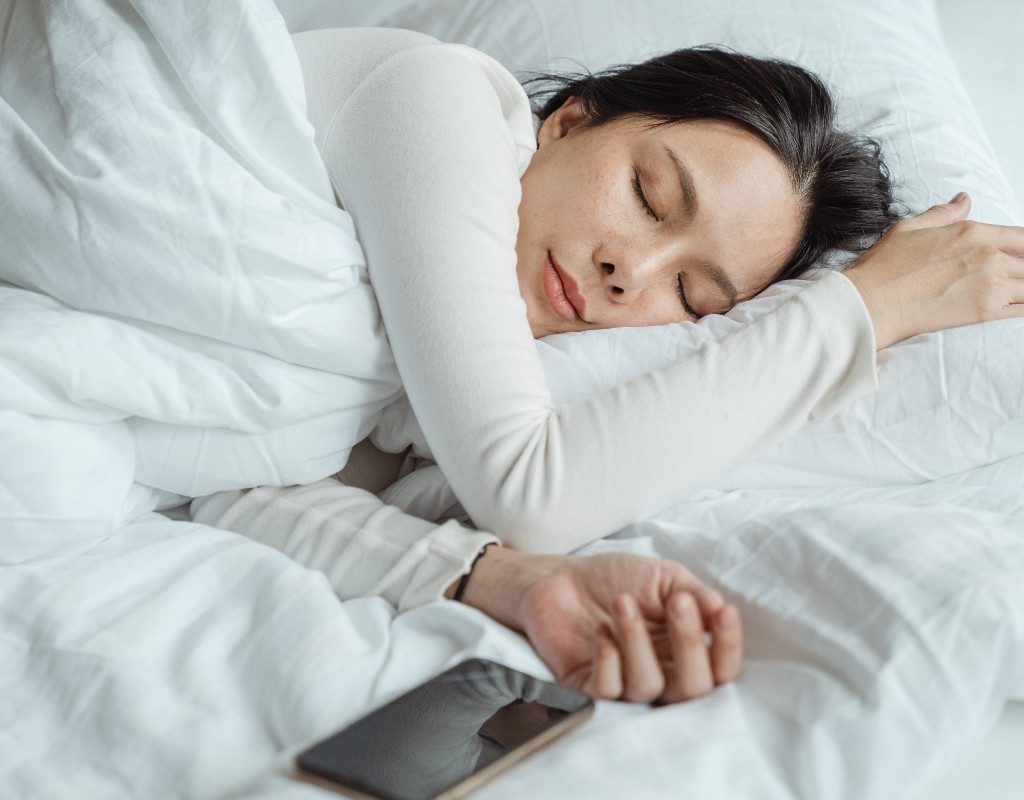
Don’ts for fixing sleep issues
If you’re struggling to sleep, there are a few bad habits to nix before bedtime.
Don’t stare at your phone
If your smartphone is like a fifth limb, consider implementing a screen-free evening. A recent study found that people ages 18 to 30 who reported high use of cellphones also said they didn’t sleep well. These results are in line with a 2019 National Sleep Foundation finding that people who used computers, tablets, or phones before bed reported lower sleep quality than those who didn’t.
To wind down at night, put your phone in a drawer (away from your bed) or at a charging station somewhere in your home that isn’t easily reachable. If you need an activity to put you to sleep, try reading a book, listening to music, or spending time with your family or roommates instead of scrolling through social media.
Don’t make mental to-do lists
Stress and sleep make for a vicious cycle. Stress can lead to poorer quality sleep, and not getting enough shut-eye can make you feel more stressed. We have a lot on our plates, and it’s understandable to take a moment and mentally organize while lying in bed. While making mental lists is a great stress relief method, it can backfire if you’re running through your to-do list at bedtime.
If list-making is a crucial part of your nightly routine, consider writing out a physical to-do list before you go to bed so it doesn’t occupy your mind. People who took five minutes to complete this exercise before bed slept better, possibly because writing a to-do list helps to mentally offload.
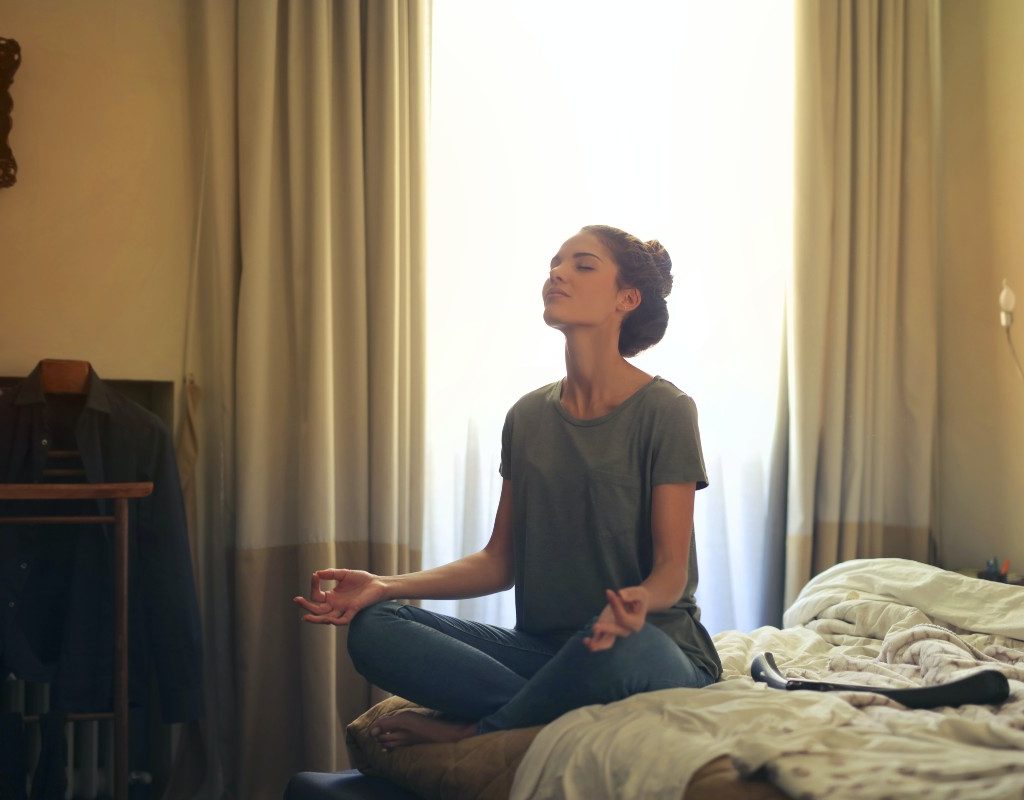
Do’s for better sleep
These tips can help you get more rest (and don’t involve counting sheep).
Take a shower
The night shower vs. daytime shower debate is fierce, but if you’re a day-shower insomniac, it may be worth changing your stance. A 2019 report in Sleep Medicine Review suggests that bathing 90 minutes before bed in water 104 to 109 degrees helped people fall asleep 10 minutes quicker than they usually did.
Just breathe
The Sleep Foundation reports that taking slow, deep breaths is one of the simplest ways to relax your mind. To begin, place your hand on your stomach below your rib cage and breathe in deeply through your nose as your stomach presses up against your hand. Exhale through your mouth, and repeat.
Meditation is another sleep hack, as one report found that people who meditated for six weeks reported less insomnia and fatigue than those who did not. Apps like HeadSpace and The Mindfulness App offer guided meditations to help you get started.
Try some light exercise
The evening certainly isn’t the time to train for a marathon, but it just may be the perfect time for a light workout. While vigorous exercise typically elevates your heart rate, less strenuous exercise (like yoga or walking) that ends at least one hour before bed can promote a better night’s sleep. In fact, adults who exercise before bedtime fall asleep faster and spend more time in deep sleep than those who don’t.
We know sleep is important to our mood and overall health, but a great night’s rest can be elusive. By reducing screen time and stress levels, you can prompt your body to fully rest and wind down before hitting the hay. Insomnia is common, but it doesn’t have to be your normal. If you continue to struggle with it despite all of these techniques, speak with your doctor — you deserve to rest.
BlissMark provides information regarding health, wellness, and beauty. The information within this article is not intended to be medical advice. Before starting any diet or exercise routine, consult your physician. If you don’t have a primary care physician, the United States Health & Human Services department has a free online tool that can help you locate a clinic in your area. We are not medical professionals, have not verified or vetted any programs, and in no way intend our content to be anything more than informative and inspiring.