
A romantic relationship is a complex and delicate thing. Healthy relationships are strong and resilient, but when a relationship is on the wrong track, a lack of intimacy can sometimes result.
Simply put, intimacy is what makes a romantic relationship a romantic relationship. Losing that sense of closeness, be it physically, emotionally, or both, can feel like losing the relationship itself.
But that need not be the case. But how to regain intimacy once it’s lost? That’s the real question.
We recently asked two experts to weigh in on what a loss of intimacy can mean to a relationship — and how to recapture the spark.
The importance of intimacy
Intimacy comes in two forms: emotional and physical. According to Jessica Steinman, a licensed marriage and family therapist and certified sex addiction therapist with Westwind Recovery in Los Angeles, both are critical to a healthy relationship.
“Emotional and physical intimacy are the factors in a relationship that make it more than a friendship and can help blossom it into something with longevity and a future,” Steinman said. “The vulnerability and closeness of the intimacy are what keeps people connected and wanting to keep working on the relationship. It can keep it fun, but is also what makes it special.”
It doesn’t take an expert to understand that intimacy can wane for any number of reasons. However, Steinman argued, there is one telltale sign that is common to many people and couples who experience this problem.
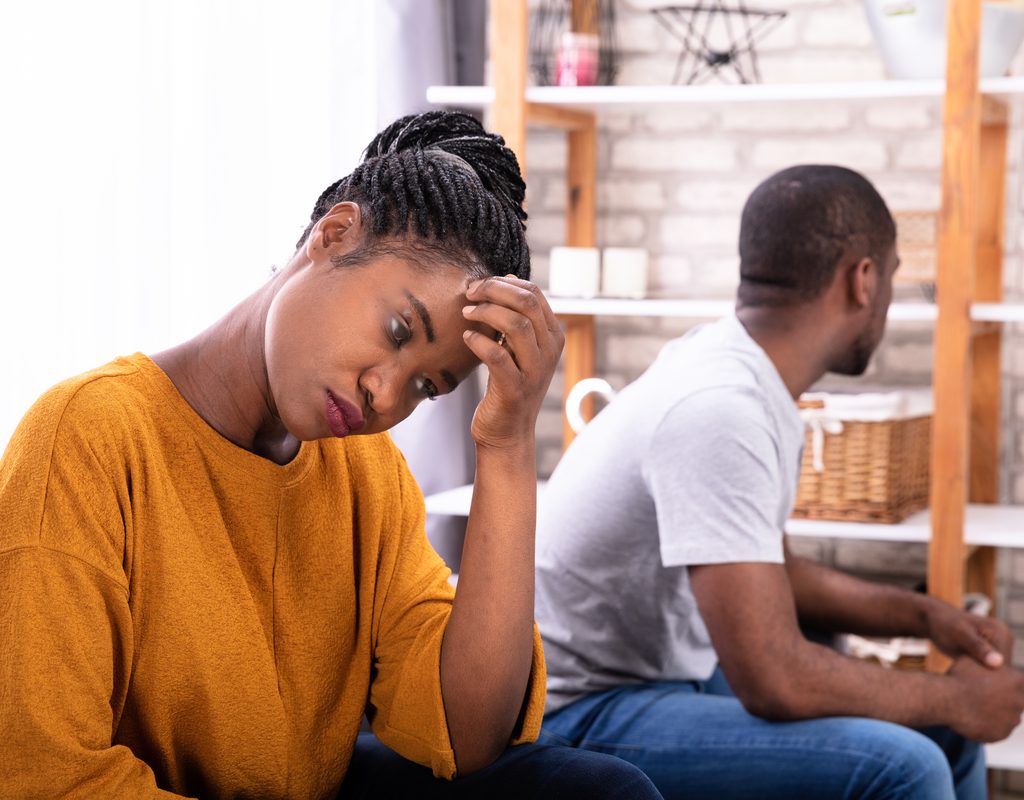
“I have found that people who struggle with the loss of intimacy also struggle with complacency,” Steinman said. “People can get comfortable with the relationship and stop making an effort, which is a leading reason for loss of intimacy.”
On the emotional plane, a lack of intimacy can create a sense of distance. This in turn can lead to loneliness — as if the partners are barely in a relationship at all.
“The partners or a partner may feel disconnected, unheard, and unable to share and be vulnerable,” Steinman said. “Some people have come to me with complaints of feeling like their partner has become a roommate, or they end up like ships passing in the night.”
It can have a similar impact on the physical aspects of a romantic relationship, with physical distance potentially taking a toll on mental health, leading to a vicious cycle.
“People who are struggling with physical intimacy can easily begin to wonder and question why there is a lack of physical connection, which can then lead to self-doubt, low self-esteem, and anxiety,” Steinman said. “Once the doubt and anxiety begin for partners, the communication can break down and it is difficult to get back on track.”
The good news? This lack of intimacy isn’t necessarily permanent and can be resolved if the two sides are willing to work together.
“This can all be hard on a relationship because it means the spark and romantic feelings may have dissipated,” Steinman said, “when really they have just been put to the side and not focused on.”

How do I rebuild intimacy?
According to break up and relationship coach Emmi Fortin, intimacy is a renewable resource — but it doesn’t reappear without work. That work begins not with our partner or with the relationship but with that all-too-familiar face in the mirror.
“In relationships, our tendency as humans can be to focus on what the other person is either doing or not doing to contribute to our issue,” Fortin said. “However, the first step to rebuilding intimacy is diving inward and getting curious about your own potential emotional blocks or relationship blind spots. Since you cannot control the thoughts or actions of someone else, the most efficient way to start this process is to get reflective about ways in which you show up for yourself and for your partner.”
Fortin suggested the following questions as ways to examine your own mindset more closely:
- Are you pushing your partner away?
- Do you close yourself off because of unprocessed trauma or triggers?
- What fears might you have about intimacy or relationships?
- How is the level and quality of intimacy in your other relationships? Can you identify any patterns?
- What are your beliefs about yourself? (Do you feel like you’re enough?)
- Do you efficiently and openly communicate how you feel?
No matter your responses to these questions, you are in all likelihood not the sole cause of the problem — and you likely won’t be its sole solution either. As with assessing the problem, your main focus should be on you as you work toward a fix.
“You can clean up your side of the street and be open to your own growth and learning in order to be able to see things differently,” Fortin said. “When your behavior and outlook starts to change, often it will create an opening for your partner to do the same.”
BlissMark provides information regarding health, wellness, and beauty. The information within this article is not intended to be medical advice. Before starting any diet or exercise routine, consult your physician. If you don’t have a primary care physician, the United States Health & Human Services department has a free online tool that can help you locate a clinic in your area. We are not medical professionals, have not verified or vetted any programs, and in no way intend our content to be anything more than informative and inspiring.